
 العربية
 Türkçe
 български

Oral hygiene is a crucial aspect of maintaining good dental health. It involves practices that keep your teeth, gums, and mouth clean and healthy. By practicing proper oral hygiene, you can prevent dental problems such as cavities, gum diseases, and bad breath. In this article, we will discuss the importance of oral hygiene, the consequences of neglecting it, and provide you with tips on how to maintain good oral health.
What is Oral Hygiene?
Oral hygiene refers to the practices and habits that are necessary to maintain the cleanliness of your mouth, teeth, and gums. It involves daily activities such as brushing your teeth, flossing, and using mouthwash. These habits help to remove harmful bacteria, plaque, and food particles that can lead to tooth decay and gum diseases.
The Importance of Oral Hygiene and Oral Health
Maintaining good oral hygiene is essential for several reasons. Firstly, it helps to prevent dental problems such as cavities and gum diseases. Regular brushing and flossing remove plaque, which is a sticky film that contains bacteria. If not removed, plaque can harden into tartar, leading to gum inflammation and tooth decay.
Secondly, practicing good oral hygiene promotes fresh breath. Bad breath, also known as halitosis, can be caused by poor oral hygiene, gum diseases, or tongue bacteria. By maintaining good oral health, you can prevent embarrassing situations and enjoy fresh breath.
Lastly, oral hygiene is closely linked to overall health. Poor oral health has been associated with various systemic conditions such as heart disease, diabetes, and respiratory infections. Taking care of your oral health can contribute to your overall well-being.
The Consequences of Bad Oral Hygiene and Oral Health
Neglecting oral hygiene can lead to a range of dental problems and oral health issues. One of the most common consequences of bad oral hygiene is tooth decay. When plaque and tartar build-up, they produce acids that attack the tooth enamel, leading to cavities. Untreated cavities can cause toothache, infections, and even tooth loss.
Gum diseases are also a result of poor oral hygiene. Gingivitis is the mildest form of gum disease, characterized by red, swollen, and bleeding gums. If left untreated, gingivitis can progress to periodontitis, a more severe form of gum disease that can cause gum recession and tooth loss.
Neglected oral hygiene can also lead to bad breath. Bacteria in the mouth produce sulfur compounds that cause unpleasant odors. Chronic bad breath can be embarrassing and impact your self-confidence.
Oral Hygiene Routine: Tips for Maintaining Good Oral Health
Maintaining good oral health requires a consistent and effective oral hygiene routine. Here are some tips to help you keep your teeth and gums healthy:
- Brush your teeth at least twice a day: Use a soft-bristled toothbrush and fluoride toothpaste. Brush for two minutes, covering all surfaces of your teeth and gums.
- Floss daily: Flossing helps to remove plaque and food particles from between your teeth and along the gumline. Be gentle and thorough when flossing to avoid injuring your gums.
- Use mouthwash: Rinse your mouth with an antimicrobial mouthwash to kill bacteria and freshen your breath. Choose a mouthwash that is alcohol-free and recommended by your dentist.
- Limit sugary and acidic foods: Consuming excessive sugary and acidic foods can contribute to tooth decay. Limit your intake of such foods and drinks and ensure you maintain a balanced diet.
- Visit your dentist regularly: Regular dental check-ups and cleanings are essential for maintaining good oral health. Your dentist can detect early signs of dental problems and provide appropriate treatments.
By following these tips, you can establish a solid oral hygiene routine and ensure the health of your teeth and gums.
Oral Hygiene Instructions for Proper Brushing and Flossing
Brushing and flossing are the foundation of a good oral hygiene routine. However, it is essential to know the proper techniques to maximize their effectiveness.
Brushing Instructions:
- Hold your toothbrush at a 45-degree angle to your gums.
- Use short, gentle strokes to clean the outer surfaces of your teeth.
- Clean the inner surfaces of your teeth using the same technique.
- Brush the chewing surfaces of your molars with back-and-forth motions.
- Don’t forget to brush your tongue to remove bacteria and freshen your breath.
Flossing Instructions:
- Take about 18 inches of dental floss and wrap it around your middle fingers, leaving a few inches of floss to work with.
- Hold the floss tightly between your thumbs and index fingers.
- Gently slide the floss between your teeth, using a back-and-forth motion.
- Curve the floss around each tooth in a C-shape and move it up and down to remove plaque and debris.
- Use a fresh section of floss for each tooth.
Remember, proper brushing and flossing techniques are crucial for effective plaque removal and maintaining good oral hygiene.
Essential Oral Health Products and Tools
To maintain good oral hygiene, you need the right oral health products and tools. Here are some essentials:
- Toothbrush: Choose a soft-bristled toothbrush that can effectively clean your teeth without damaging your gums. Replace your toothbrush every three to four months or when the bristles become frayed.
- Toothpaste: Use fluoride toothpaste to strengthen your tooth enamel and prevent tooth decay. Look for toothpaste with the British Dental Association (BDA) seal of approval.
- Dental Floss: There are various types of dental floss available, such as waxed, unwaxed, and floss picks. Choose the one that suits your preference and effectively removes plaque.
- Mouthwash: Opt for an antimicrobial mouthwash that helps kill bacteria and freshens your breath. Look for mouthwashes that are alcohol-free and contain fluoride.
- Tongue Scraper: A tongue scraper can remove bacteria and debris from your tongue’s surface, improving your oral hygiene and reducing bad breath.
By using these essential oral health products and tools, you can enhance your oral hygiene routine and maintain optimal dental health.
Dental Hygiene and Oral Care
Dental hygiene plays a vital role in overall oral care. Regular visits to your dentist are essential to monitor your oral health and address any potential issues. Dental hygienists are professionals who specialize in preventive dental care. They provide treatments such as professional cleanings, dental examinations, and oral health education.
During a dental hygiene appointment, a hygienist will thoroughly clean your teeth, removing plaque and tartar that cannot be removed through regular brushing and flossing. They will also assess your oral health, identify any areas of concern, and provide advice on maintaining good oral hygiene.
Working together with your dentist and dental hygienist will help you achieve optimal oral health and prevent dental problems.
Teeth Care and Healthy Teeth
Caring for your teeth is an essential part of maintaining good oral hygiene. Here are some tips to keep your teeth healthy:
- Avoid excessive sugary and acidic foods: These can contribute to tooth decay and erosion. Choose healthier alternatives and limit your consumption of sugary snacks and drinks.
- Drink plenty of water: Water helps to rinse your mouth, remove food particles, and maintain saliva production, which is essential for oral health.
- Protect your teeth during sports: If you participate in sports, wear a mouthguard to protect your teeth from injury.
- Quit smoking: Smoking not only stains your teeth but also increases your risk of gum diseases, oral cancer, and other oral health problems. Quitting smoking will improve your overall oral health.
- Maintain a balanced diet: A diet rich in fruits, vegetables, whole grains, and lean proteins provides the necessary nutrients for healthy teeth and gums.
By following these tips and practicing good oral hygiene, you can keep your teeth healthy and maintain a beautiful smile.
Oral Hygiene Routine and Oral Care Routine
Establishing a consistent oral hygiene routine is essential for maintaining good oral health. Here’s a recommended daily oral care routine:
- Brush your teeth at least twice a day: Brush in the morning and before bed for two minutes each time. Use a soft-bristled toothbrush and fluoride toothpaste.
- Floss daily: Flossing removes plaque and food particles from between your teeth and gums. Be thorough and gentle to avoid injuring your gums.
- Rinse with mouthwash: Use an antimicrobial mouthwash to kill bacteria and freshen your breath. Swish it around your mouth for 30 seconds and then spit it out.
- Clean your tongue: Use a tongue scraper or your toothbrush to gently clean your tongue, removing bacteria and debris.
- Visit your dentist regularly: Schedule regular dental check-ups and cleanings. Your dentist will assess your oral health, perform necessary treatments, and provide guidance on maintaining good oral hygiene.
By following this oral care routine, you can ensure the health of your teeth and gums.
The Best Oral Health Routine for Optimal Dental Health
Maintaining an optimal oral health routine is essential for preventing dental problems and achieving a healthy smile. Here are some additional tips to enhance your oral health routine:
- Use a fluoride mouthwash: Fluoride strengthens your tooth enamel and helps prevent tooth decay. Incorporate a fluoride mouthwash into your routine for added protection.
- Consider interdental cleaning: In addition to regular flossing, you can use interdental brushes or water flossers to clean between your teeth and along the gumline.
- Limit snacking between meals: Frequent snacking can increase the risk of tooth decay. Try to limit snacking and opt for healthier choices such as fruits and vegetables.
- Chew sugar-free gum: Chewing sugar-free gum stimulates saliva production, which helps to neutralize acids and wash away food particles.
- Practice proper technique: Ensure you are using the correct brushing and flossing techniques as discussed earlier. Proper technique maximizes the effectiveness of your oral hygiene routine.
By incorporating these tips into your oral health routine, you can optimize your dental health and enjoy a healthy smile.
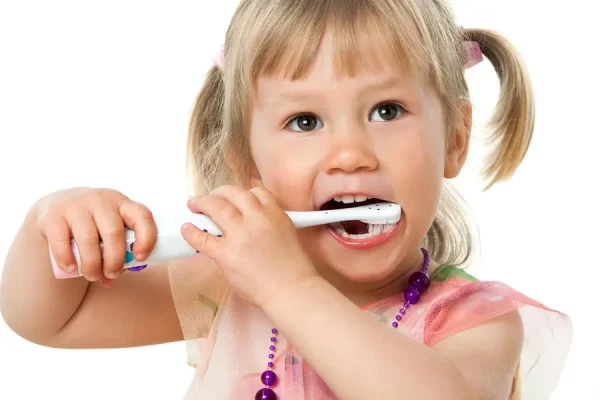
Oral Health Tips for Kids: Making Dental Care Fun and Effective
Instilling good oral hygiene habits in children is crucial for their long-term dental health. Here are some oral hygiene tips to make dental care fun and effective for kids:
- Start early: Begin cleaning your child’s gums with a clean, damp cloth even before their teeth erupt. Once their first tooth appears, start brushing with a soft-bristled toothbrush.
- Use child-friendly toothpaste: Choose a fluoride toothpaste specially designed for children. Use a small amount (about the size of a grain of rice) until they can spit out the toothpaste.
- Make brushing fun: Play their favorite music or sing a song while they brush their teeth. Use colorful toothbrushes and let them choose their toothbrush and toothpaste.
- Teach proper technique: Show your child how to brush their teeth properly, using gentle circular motions. Supervise their brushing until they can do it independently.
- Visit the dentist early: Schedule your child’s first dental visit by their first birthday or when their first tooth appears. Regular dental check-ups are essential for monitoring their oral health.
By making dental care enjoyable and educating your child about good oral hygiene practices, you can set them on the path to a lifetime of oral health.
Oral Health and Hygiene News: Advancements in Dental Care
Staying informed about the latest advancements and news in oral health and hygiene can help you make informed decisions about your dental care and protect your oral health. Here are some recent advancements in dental care:
- Digital Dentistry: The use of digital technology has revolutionized dentistry. It allows for more accurate diagnoses, faster treatment planning, and improved dental restorations.
- Laser Dentistry: Laser technology is increasingly being used in various dental procedures, including gum surgeries, cavity removal, and teeth whitening. Laser dentistry offers several benefits such as reduced bleeding, faster healing, and minimal discomfort.
- Dental Implants: Dental implants have become a popular and effective solution for replacing missing teeth. Advancements in implant technology have improved success rates and reduced treatment time.
- Teeth Straightening: Orthodontic treatments have evolved with the introduction of clear aligners, such as Invisalign. These aligners provide a more discreet and comfortable alternative to traditional braces.
Keeping up with the latest news and advancements in dental care can help you stay informed about new treatment options and techniques that can benefit your oral health.
Taking Charge of Your Oral Hygiene for a Healthier Smile
Your oral hygiene plays a significant role in your overall health and well-being. By prioritizing your dental health and following a consistent oral hygiene routine, you can prevent dental problems, maintain fresh breath, and achieve a healthier smile. Remember to brush and floss regularly, use the right oral health products, and visit your dentist regularly. Taking charge of your oral hygiene will contribute to a lifetime of optimal oral health and a confident smile.
Schedule your next dental check-up today from Nova Dent and take the first step towards a healthier smile!